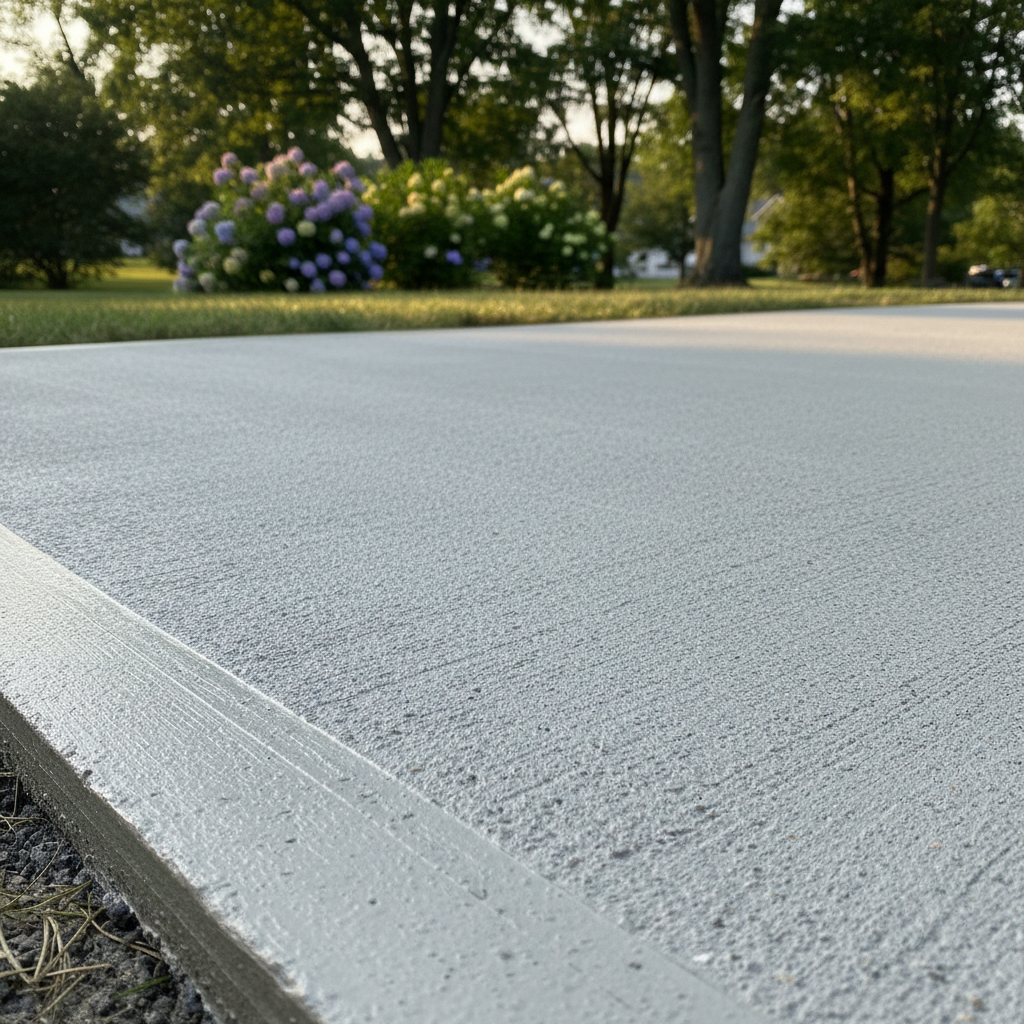
What's the real cost of a concrete patio around Worcester?
Alright, let's get straight to it. Everyone wants to know about cost, and it's not a simple 'X dollars per square foot' answer, though that's where most folks start. For a basic, broom-finish concrete patio here in Worcester, you're generally looking at anywhere from $10 to $20 per square foot. That's a big range, I know, but it depends on a few things: the size of the patio, how much site prep we need to do (digging out old stuff, leveling, drainage), and how accessible the area is for our equipment. If you want something fancier, like stamped concrete that mimics stone or brick, or colored concrete, that price jumps up. Stamped concrete can easily be $18 to $30+ per square foot. Don't forget about things like steps, integrated lighting, or custom edges – those are all add-ons. What I tell people is to think about their budget, then think about the look they want. We can usually find a good middle ground.
How long does a concrete patio actually last in our New England weather?
If it's done right, a concrete patio should last you decades. I'm talking 20, 30, even 40 years. The key phrase there is 'done right.' That means proper sub-base preparation – good compaction, good drainage – and using the right concrete mix for our climate. Here in Worcester, we get those brutal freeze-thaw cycles, especially in neighborhoods like Tatnuck where the soil can be a bit clay-heavy. If water gets under the slab and freezes, it'll heave and crack. That's why good drainage and a proper gravel base are non-negotiable. We also use control joints to manage where cracks happen. A well-installed patio by a company like Concrete Evolutions Co. will stand up to our winters just fine, but you've got to make sure the contractor isn't cutting corners on the foundation work.
Will my new concrete patio crack?
Look, concrete cracks. It's not a matter of 'if,' but 'when' and 'how much.' Anyone who tells you their concrete won't crack is either lying or doesn't know concrete. The goal isn't to prevent cracking entirely, but to control it. That's where those control joints I just mentioned come in. We saw or tool lines into the concrete at specific intervals. These lines create weakened planes, so when the concrete inevitably shrinks and expands with temperature changes, the cracks happen along those lines, making them less noticeable and structurally sound. Hairline cracks are pretty normal and usually not a big deal. Big, wide, uneven cracks? That's a sign of a problem, often due to poor sub-base prep or not enough control joints. Proper installation minimizes the bad cracks and directs the small, acceptable ones.
What about maintenance? Is it a lot of work?
Compared to a wood deck that needs staining every couple of years, or pavers that can shift and grow weeds, concrete patios are pretty low maintenance. You'll want to clean it periodically – a good power wash once a year will get rid of dirt, mildew, and any stains. If you've got a sealed patio, which I always recommend, you might need to reapply the sealant every 2-5 years, depending on the type of sealer and how much sun and traffic it gets. Sealing helps protect against stains and makes it easier to clean. Beyond that, just keep an eye on it. If you spill something, clean it up quickly, especially if it's oil or grease. That's about it. It's not a set-it-and-forget-it thing, but it's pretty close.
Can I put a concrete patio right up against my house? What about drainage?
You absolutely can, and most people do. But drainage is crucial here, probably one of the most important considerations. You never want water pooling against your foundation. We always make sure the patio slopes away from your house, typically at a minimum of 1/4 inch per foot. This directs rainwater away from your home's foundation, protecting your basement or crawl space from water intrusion. Sometimes, depending on your yard's grading, we might need to incorporate a trench drain or a catch basin to manage water effectively. It's all part of the planning process. We'll assess your property's existing drainage and make sure the new patio enhances it, not hinders it.
What's the deal with stamped concrete? Is it worth the extra money?
Stamped concrete is a fantastic option if you want the look of natural stone, brick, or even wood, but with the durability and lower maintenance of concrete. Is it worth the extra money? For a lot of homeowners, yes, it definitely is. It adds a ton of curb appeal and can really elevate the aesthetic of your outdoor living space. The process involves pouring the concrete, then applying a color hardener and sometimes a release agent, and then pressing large rubber mats with patterns into the wet concrete. Once it cures, it's sealed. It's more labor-intensive and requires specialized tools and expertise, which is why it costs more. But the results can be stunning, and it can significantly increase the value of your home. If you're looking for that high-end look without the high-end price tag of individual pavers or natural stone, stamped concrete is a solid choice.
How long does the whole patio installation process take?
From start to finish, for an average-sized residential patio, you're usually looking at about 3 to 7 days of actual work on site. That's a rough estimate, of course. Day one is often excavation and preparing the sub-base – digging, laying down and compacting gravel. Day two might be setting forms and getting everything ready for the pour. The pour itself is usually a single day, depending on the size. After that, there's curing time. We can't just pour it and walk away; it needs time to gain strength. You generally want to stay off it for at least 24-48 hours for light foot traffic, and a week or more before putting heavy furniture on it or driving on it (if it's a driveway extension). Then, if it's stamped or colored, there's the sealing process. So, while the concrete is poured quickly, the whole project takes a bit longer to ensure it's done right and cures properly.