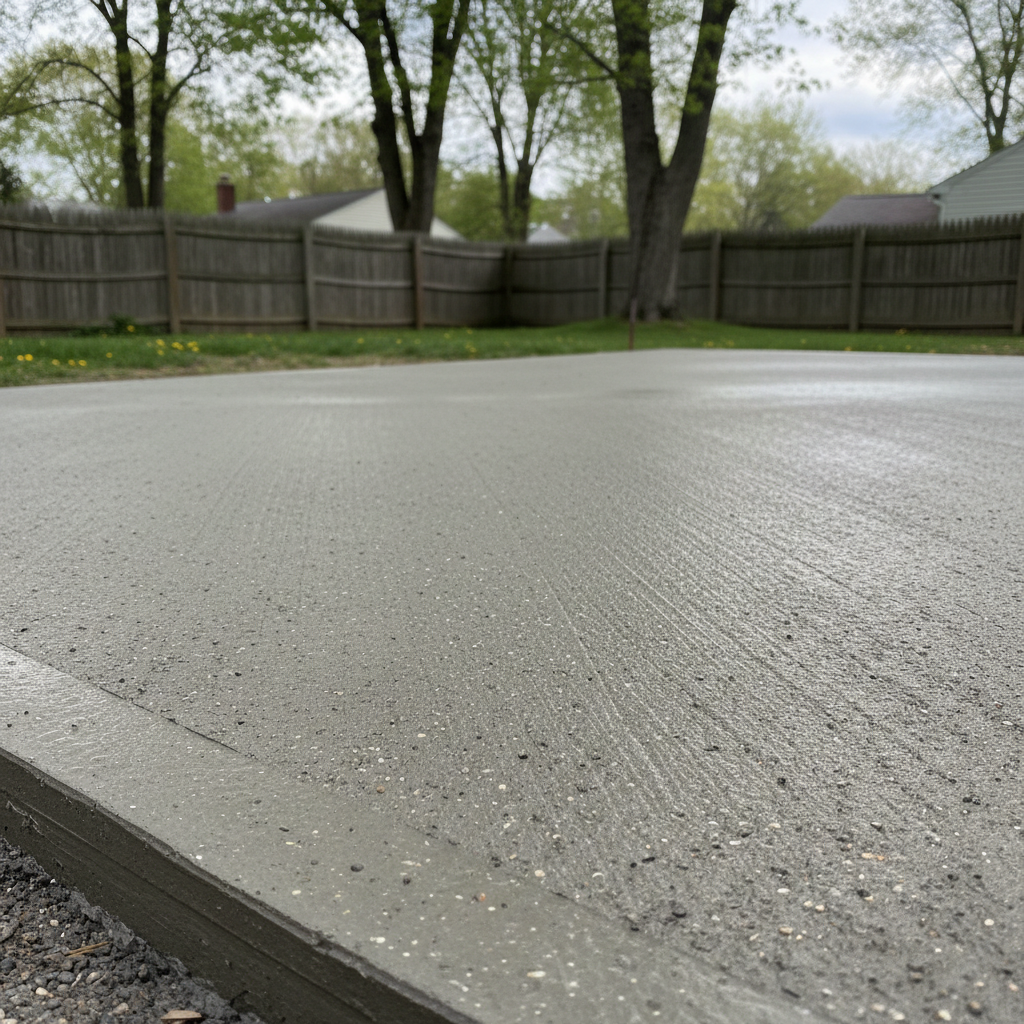
Alright, let's talk concrete for a minute. A lot of folks here in Worcester get an idea in their head – maybe it's a small patio, a new walkway, or just fixing up some old steps – and they wonder, "Can I just do this myself?" It's a fair question, really. Concrete work looks simple enough on the surface, doesn't it? Mix it, pour it, smooth it out. But I'm here to tell you, there's a whole lot more to it than that, especially if you want it to last longer than a couple of our tough New England winters.
I've been doing this for years with Concrete Evolutions Co., and I've seen homeowners try to save a buck only to end up with a cracked mess a year later. So, before you even think about mixing that first bag, let's break down what you truly need to know.
Before You Even Start: Planning & Permits
First off, planning is absolutely everything. You can't just dig a hole and start pouring. You need to figure out what you're building, how big it'll be, and what its purpose is. Is it a patio for your grill? A path to the shed? The purpose actually dictates the thickness and the type of base you'll need.
Then there's the permit situation. For anything beyond a small, non-structural slab, you're likely going to need a permit from the City of Worcester's Inspectional Services Department. Seriously, don't skip this. Trust me, getting caught without a permit after the fact is a headache you absolutely don't want. They can make you tear the whole thing out. It's just not worth the risk, is it?
Also, think about utilities. Before you dig an inch, call Dig Safe (811). It's free, and it's the law. You really don't want to hit a gas line or an electrical conduit. That makes for a very bad day for everyone.
The DIY Zone: Small, Simple, Non-Structural
So, what can you realistically do yourself? If you're handy and you've got some patience, you might be able to tackle really small, non-structural projects. We're talking about things like:
- A small, decorative stepping stone path.
- Minor repairs to existing concrete, like filling small cracks (definitely not major structural ones, though).
- Maybe a very small pad for a garbage can or an AC unit – something that won't see heavy foot traffic or bear significant weight.
For these kinds of projects, you'll still need to do your homework. You'll need to understand proper sub-base preparation – compacting the ground, laying down gravel, maybe some rebar or wire mesh for reinforcement. You'll need to know how to mix concrete correctly, how to pour it without segregation, and how to finish it properly so it drains water and doesn't just hold puddles. Even a small job demands attention to detail. And remember, concrete cures, it doesn't dry. That's a big difference, and it impacts how you treat it for the first few days and weeks.
When to Call a Pro: Anything Bigger or More Complex
Here's where I'm going to be blunt: for most concrete projects around your house, you should call a professional. This includes driveways, large patios, walkways that see a lot of use, foundations, retaining walls, or anything that needs to be perfectly level and drain correctly. Why? Well, there are a few good reasons.
- Equipment: We've got the right tools for the job. Power buggies, screeds, power trowels, specialized forms – you name it. You're not going to rent all that for a one-off project, and trying to do it by hand is a back-breaking nightmare.
- Experience: We know the tricks of the trade. How to get the right slump, how to work with the weather (especially our crazy Worcester weather – a hot summer day can make concrete set up way too fast, and a cold snap can ruin a pour), how to get a smooth, durable finish, and how to cut control joints so your slab cracks where you want it to, not randomly across the middle.
- Sub-Base Prep: This is probably the most critical part, and DIYers often overlook it. If your base isn't properly compacted and graded, your concrete will crack, settle, and fail. Period. It doesn't matter how good the concrete mix is.
- Reinforcement: Knowing what kind of rebar or wire mesh to use, and where to place it, is crucial for longevity. It's not just thrown in there haphazardly.
- Drainage: Getting the right slope for drainage is vital. You definitely don't want water pooling on your new patio or against your foundation.
- Time & Effort: Concrete work is hard, messy, and time-sensitive. Once that truck pulls up, you're on the clock. If you're not prepared, it's going to be a disaster.
Think about it this way: a professionally installed concrete driveway or patio adds value to your home. A poorly done DIY job, on the other hand, can actually decrease it, and you'll end up paying a pro to tear it out and redo it anyway. That's a double expense, and who needs that?
During the Project: What to Expect from a Pro
If you hire Concrete Evolutions Co. (or another reputable contractor), here's what you should expect:
- Clear Communication: We'll talk through the project, the timeline, and any potential issues that might pop up.
- Proper Site Prep: We'll handle the excavation, grading, and sub-base compaction. This is where a lot of the real work happens, behind the scenes.
- Formwork: We'll build sturdy forms to hold the concrete in place and define the edges precisely.
- Pouring & Finishing: This is the fast-paced part. We'll get the concrete in, level it, and apply the desired finish (broom, smooth trowel, etc.).
- Control Joints: We'll cut these at the right time and in the right places to manage cracking.
After the Pour: Curing is Key
Once the concrete is poured and finished, the work isn't over. Curing is absolutely essential for strength and durability. This means keeping the concrete moist for several days, sometimes even weeks, especially in our dry fall air or scorching summer heat. We might use curing compounds, wet burlap, or plastic sheeting. Don't walk on it too soon, don't drive on it too soon, and don't let it dry out too fast. Your contractor will give you specific instructions for your project, and it's important you follow them to the letter.
Look, I get the appeal of DIY. But concrete isn't like painting a wall, is it? It's a permanent fixture, and mistakes are expensive and difficult to fix. For anything more than a small, non-critical patch, save yourself the headache, the backache, and the potential for a costly redo. Call in someone who does this every day. You'll be glad you did when your concrete looks great and lasts for decades.